In the hushed aisles of bookstores, a quiet sartorial revolution is taking place. The once-dusty aesthetic of the intellectual, long confined to academic journals and black-and-white photographs of literati, is experiencing a remarkable and commercially potent renaissance. This is not merely a trend but a full-blown cultural movement, where the uniform of the thinker—tweed blazers, well-worn corduroys, oversized spectacles, and leather satchels brimming with paperbacks—has been extracted from the archives and thrust into the spotlight of mainstream fashion. The bookstore itself has become the unlikely runway, a curated space where this aesthetic is not only consumed intellectually but also sartorially, creating a powerful nexus between commerce and culture.
The origins of this revival are deeply rooted in a collective cultural yearning for authenticity and depth in an increasingly digital and superficial age. The academic core aesthetic, or Dark Academia as it has been christened by online communities, offers a romanticized vision of intellectual pursuit. It harks back to a perceived golden age of scholarship, evoking images of Oxford libraries, Parisian salons, and New York literary bars. This is a style that speaks not to fast fashion and fleeting trends, but to timelessness, quality, and a life of the mind. It is an aspirational identity, one that consumers are eager to purchase and embody. The very act of browsing physical books in a thoughtfully designed space complements this identity, making the bookstore the perfect habitat for this style to flourish and be observed.
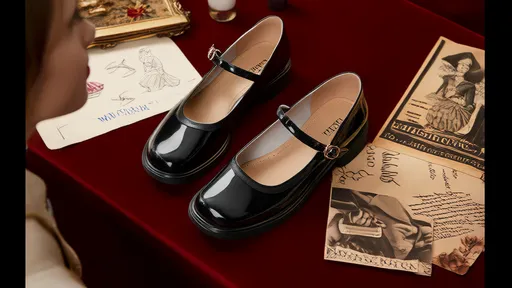
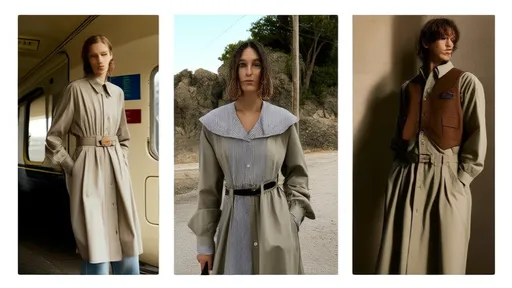
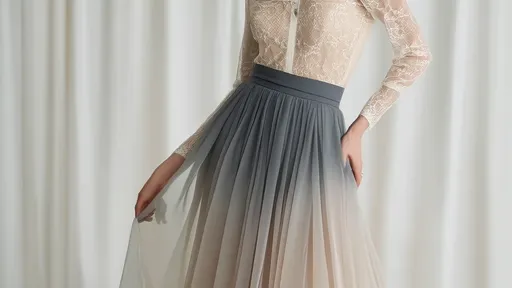
For retailers and brands, this shift represents a golden opportunity. The commercial value of this trend is immense, transforming the way bookstores, fashion labels, and publishers operate and collaborate. Bookstores are no longer just purveyors of books; they have become lifestyle destinations. They are meticulously curating their spaces, often stocking an array of products that align with the intellectual aesthetic—from high-end stationery and artisan coffee to fragrances that smell of old paper and ink. Clothing brands, from fast-fashion giants like Zara and H&M to luxury houses like Gucci and Ralph Lauren, have all released collections heavily influenced by tweed, pleated trousers, collegiate sweaters, and structured leather bags. The boundaries between a clothing store and a bookstore are becoming deliciously blurred.
This synergy is a marketer's dream. The aesthetic is inherently photogenic and narrative-driven, making it perfect for social media platforms like Instagram, TikTok, and Pinterest. Users proudly display their #BookstoreHauls, featuring a stack of classic novels alongside a new wool scarf or a pair of spectacles. Influencers pose in mahogany-lined libraries, their outfits meticulously chosen to match the spines of the books behind them. This creates a powerful feedback loop: social media popularizes the look, which drives consumers to bookstores and clothing retailers, who in turn create more products and experiences that feed the trend. The consumer is no longer just buying a garment; they are buying into a story, an identity, and a community.
Publishing houses have been quick to capitalize on this visual moment. Book cover designs have undergone a significant shift, with a renewed emphasis on classic, textured designs, elegant typography, and foil stamping that makes a book a beautiful object in its own right—a crucial accessory for the complete intellectual look. Special editions of classic works by authors like Virginia Woolf, F. Scott Fitzgerald, and James Baldwin are flying off the shelves, as much for their cover art as for their contents. The book, in this context, is the ultimate statement piece.
However, this commercialization is not without its tensions and critiques. Purists argue that the deep, substance-first ethos of intellectualism is being hollowed out and commodified into a mere facade. They worry that the focus has shifted from reading the books to simply being seen with them, reducing a rich cultural tradition to a set of aesthetic signifiers. Is someone wearing a tweed blazer and carrying a copy of The Odyssey engaging with Homer's epic, or are they simply performing a version of intelligence for social capital? This debate sits at the heart of the trend, questioning the very relationship between surface-level appearance and genuine depth.
Despite these valid concerns, the movement has had undeniably positive effects. It has driven a surge in interest in classic literature, philosophy, and history, particularly among younger generations. Bookstores are reporting increased foot traffic and sales, a welcome reversal after years of prognostications about their demise. The trend champions slow fashion and investment in quality, durable pieces over disposable fast fashion, aligning with more sustainable consumption patterns. It has created a new, visually literate language through which people, especially the youth, can explore and express their intellectual curiosities.
Looking forward, the intellectual style revival appears to be more than a passing fad. It taps into a fundamental and enduring human desire for meaning, connection, and identity that feels earned and profound. The bookstore will likely remain its spiritual home, a physical anchor in a digital world. The challenge for the industries riding this wave will be to balance commercial success with authentic cultural value—to ensure that the shelves, both sartorial and literary, are stocked with substance as well as style. The future will be written by those who understand that the true value lies not just in looking like a reader, but in being one.

By /Aug 21, 2025

By /Aug 21, 2025

By /Aug 21, 2025
By /Aug 21, 2025

By /Aug 21, 2025
By /Aug 21, 2025

By /Aug 21, 2025

By /Aug 21, 2025

By /Aug 21, 2025

By /Aug 21, 2025

By /Aug 21, 2025

By /Aug 21, 2025

By /Aug 21, 2025

By /Aug 21, 2025

By /Aug 21, 2025

By /Aug 21, 2025
By /Aug 21, 2025

By /Aug 21, 2025

By /Aug 21, 2025

By /Aug 21, 2025