The relationship between football culture and high fashion has evolved from a distant flirtation to a profound symbiosis, reshaping the very fabric of contemporary luxury design. What was once a clear demarcation—the gritty, communal energy of the stadium versus the exclusive, rarefied air of the atelier—has dissolved into a dynamic cross-pollination. This migration of style, from the terraces to the front row, is not merely about borrowing aesthetics; it is a fundamental reimagining of luxury's codes, values, and audience. Designers are no longer looking down from an ivory tower but are instead drawing inspiration from the global, passionate, and deeply cultural world of football, translating its raw emotion and unifying spirit into collections that speak a new, more accessible language of opulence.
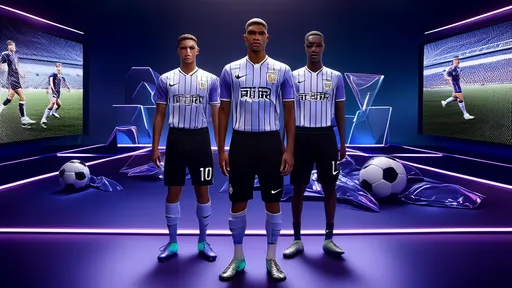
The initial point of convergence was, unsurprisingly, the jersey. For decades, the football shirt was a purely functional garment, a uniform signifying tribal allegiance on the pitch. Its journey into high fashion began subtly with logos—the iconic crests of teams like Juventus or Paris Saint-Germain appearing on collaborations with brands like Adidas and Nike, blurring the line between sportswear and streetwear. However, high fashion's appropriation has moved far beyond mere branding. Designers are deconstructing the jersey's very DNA. We see this in the use of piqué knit, a fabric long associated with athletic polo shirts, reworked into elegant dresses and separates. The classic V-neck and ribbed cuffs have been elevated with luxurious materials like silk and cashmere blends, transforming a symbol of athletic endeavor into an item of refined desire. This is not a costume; it is a sophisticated homage, acknowledging the shirt's cultural weight while redefining its sartorial potential.
Beyond the garment itself, the visual language of football has become a rich source of graphic inspiration. The bold, often clashing stripes of historic kits—the black and white of Newcastle, the rosso corsa and blue of Inter Milan—have been abstracted into dramatic color-blocking on coats, skirts, and tailoring. Heraldic crests, with their intricate emblems and Latin mottos, have inspired a new wave of embroidery and appliqué, telling a story of legacy and identity on blazers and evening wear. Even the typography of players' names and numbers, so iconic on the pitch, has been reinterpreted, printed across sheer fabrics or delicately beaded onto gowns, celebrating the individual within the collective—a theme central to both football and modern fashion narratives.
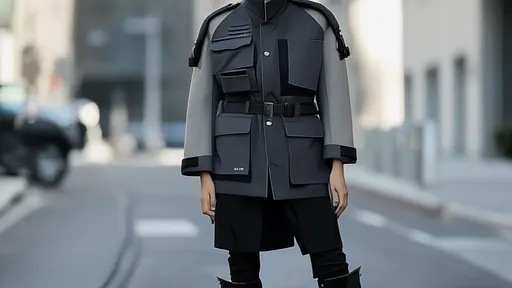
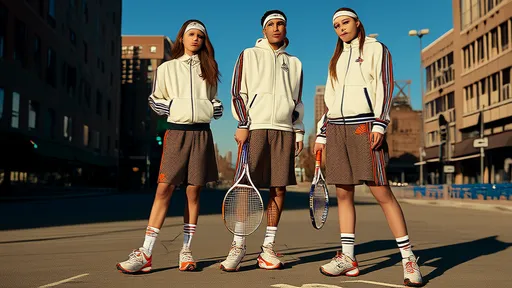
Perhaps the most significant migration is not of aesthetic elements, but of attitude and ethos. High fashion has historically projected an image of detached, unattainable cool. Football culture, in contrast, is defined by raw passion, collective identity, and an unfiltered expression of joy and despair. This emotional authenticity is what designers are now seeking to capture. The result is a move towards a more relaxed, confident, and utilitarian luxury. Track pants are cut from the finest wool crepe, warm-up jackets are tailored from technical gabardine, and oversized coats recall the silhouettes of managers on the touchline. This reflects a broader shift in how we define luxury: it is no longer just about obvious opulence but about intelligence of design, comfort, and a connection to real-world culture. The luxury consumer today wants to feel a part of something, not just apart from everyone else.
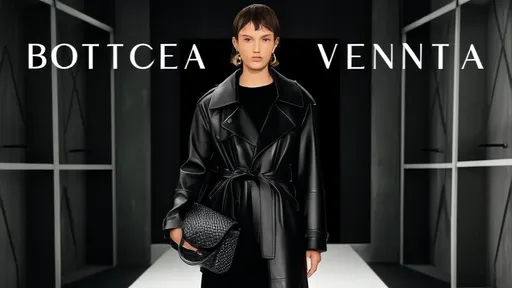
The very materials of the beautiful game are finding new life on the catwalk. Leather, forever linked to the football itself, is being used in innovative ways beyond bags and shoes, appearing in tailored pieces and even accessories that mimic the ball's paneled construction. The green of the pitch is emerging as a surprisingly versatile and rich color palette, from vibrant lime to deep forest, evoking the hallowed grounds of stadiums worldwide. Furthermore, technical fabrics developed for performance—weather-resistant, breathable, and stretchable—are being integrated into high-fashion designs, marrying ultimate functionality with high design. This fusion creates clothing that is not only beautiful but also intelligent and adaptable to modern life, much like the athletes who inspire it.
This stylistic migration is a two-way street. As fashion embraces football, football itself is becoming increasingly fashion-conscious. Players are now style icons, their post-match 'tunnel walks' scrutinized as closely as any red carpet event. Clubs develop fashion-forward off-pitch uniforms and collaborate directly with luxury houses. This creates a feedback loop where the style of the stands influences the catwalk, which in turn elevates the style expectations within the sport itself. It democratizes high fashion, making it relevant to a massive, global audience that might have previously found it alienating. Simultaneously, it injects the world of football with a new level of sartorial sophistication, proving that the passion of the pitch and the artistry of fashion are not opposing forces but complementary expressions of contemporary culture.
In conclusion, the重塑 of high fashion through football culture is a profound and ongoing evolution. It represents a move away from isolation and towards integration. By embracing the symbols, materials, and—most importantly—the spirit of the world's most popular sport, designers are crafting a new lexicon of luxury. This lexicon is bold, emotional, inclusive, and intelligent. It speaks to a generation that values authenticity and experience as much as exclusivity. The journey from stadium to catwalk has forever altered the landscape of style, proving that the next great fashion revolution might not start in a Parisian salon, but in the roaring heart of a packed football ground, where every shirt tells a story waiting to be rewoven in silk, wool, and thread.
By /Aug 21, 2025
By /Aug 21, 2025
By /Aug 21, 2025
By /Aug 21, 2025
By /Aug 21, 2025
By /Aug 21, 2025

By /Aug 21, 2025
By /Aug 21, 2025
By /Aug 21, 2025

By /Aug 21, 2025
By /Aug 21, 2025

By /Aug 21, 2025

By /Aug 21, 2025
By /Aug 21, 2025
By /Aug 21, 2025
By /Aug 21, 2025
By /Aug 21, 2025
By /Aug 21, 2025
By /Aug 21, 2025
By /Aug 21, 2025