In the ever-evolving landscape of fashion, few trends have demonstrated the staying power and transformative potential of utilitarian workwear. What began as a purely functional approach to clothing for laborers and artisans has, in its latest iteration—dubbed Workwear 2.0—catapulted into the highest echelons of high fashion. At the heart of this sartorial revolution lies an unexpected hero: the functional pocket. No longer a mere afterthought or a hidden seam, the pocket has been reimagined, deconstructed, and elevated into a central design element, conquering runways and redefining luxury in the process.
The journey of the pocket from humble utility to high-fashion statement is a story of aesthetic audacity. For decades, high fashion was synonymous with sleekness, minimalism, and often, a conspicuous lack of practicality. Garments were sculptures; wearability was secondary. The idea of a large, multi-compartment cargo pocket on a silk evening gown or a complex set of bellows pockets on a tailored wool blazer would have been considered heresy. Yet, this is precisely the tension that designers began to explore. They asked a provocative question: What if function not only met form but became the very essence of it?
This shift did not occur in a vacuum. It mirrors a broader cultural movement towards pragmatism, authenticity, and a blurring of the lines between different facets of life. The modern consumer, living a hybrid existence of office, travel, and digital navigation, demands clothing that is as versatile as they are. The pandemic further accelerated this, dismantling rigid dress codes and fostering a desire for comfort and utility without sacrificing style. High fashion, in its quest for relevance, had to listen. And so, the functional pocket, the ultimate symbol of preparedness and efficiency, became the perfect vessel to express this new ethos.
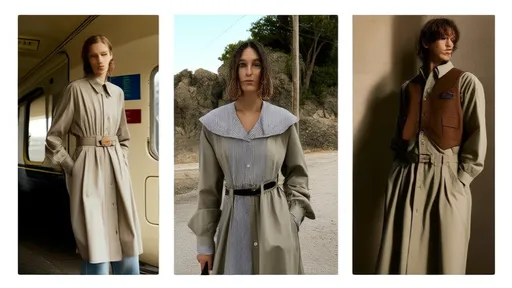
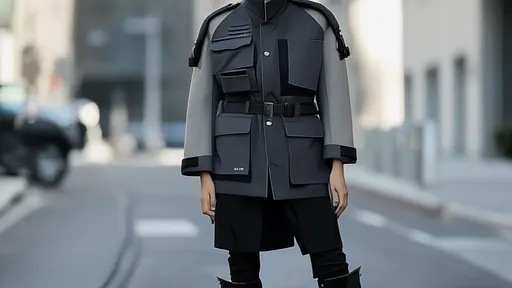
The conquest is most visible on the international runways. One need only look at the collections of design houses like Loewe, Jil Sander, and Martine Rose to see the pocket in its full, glorious reinvention. We are no longer talking about discreetly placed jetted pockets. We see exaggerated cargo pockets crafted from the finest calfskin, draped elegantly on the side of a skirt. We see intricate systems of pockets and pouches, constructed with technical precision reminiscent of architectural blueprints, adressing the front of a cashmere coat. Designers are treating pockets not as add-ons but as integral compositional elements, playing with volume, proportion, and symmetry to create dramatic, yet wearable, silhouettes.
The materials and craftsmanship involved in these pockets are what truly cement their place in high fashion. A utilitarian canvas pocket on a workman’s apron is functional. That same pocket, recreated in supple napa leather with hand-stitched bar tacks and custom, anodized hardware, is transformed into a luxury object. The functional aspect is not lost; it is enhanced through opulence. The zipper pull becomes a piece of jewelry; the flap’s edge is finished with a meticulous piping technique usually reserved for haute couture. This elevation of the mundane is a classic fashion trope, executed here with breathtaking focus on a single component.
Furthermore, the narrative around these pockets is powerful. In an age conscious of consumption, a garment with ample, well-designed pockets speaks to a considered, intelligent lifestyle. It promises organization, security, and readiness—a quiet confidence that is incredibly appealing. It tells a story of a person who is prepared for anything, who values practicality but refuses to compromise on aesthetics. This narrative is a potent marketing tool, allowing brands to connect with consumers on a level deeper than mere trendiness.
The integration of these functional elements also represents a fascinating technical challenge that haute maisons are eager to meet. The weight of multiple leather pockets must be balanced within a garment’s structure to ensure it drapes correctly. Seams must be reinforced to handle stress points without compromising the delicate hand of a luxury fabric. This marriage of rugged utility with delicate, high-end construction techniques is a testament to the skill of modern pattern makers and tailors, pushing the boundaries of what is possible in a fashion atelier.
Ultimately, the rise of the functional pocket in Workwear 2.0 is about a redefinition of what luxury means today. It is moving away from overt opulence and towards a more intelligent, nuanced luxury—one that values innovation, craftsmanship, and authenticity as much as it does beauty. The luxury is in the details: in the perfect weight of a zipper, the satisfying click of a magnetic clasp, the ingenious way a pocket expands to hold a phone without distorting the line of a jacket. It is a luxury that is felt and experienced through use, not just observed.
This trend shows no signs of abating. As technology becomes further woven into the fabric of our daily lives, the demand for clothing that can accommodate it—discreetly and stylishly—will only grow. The functional pocket is perfectly positioned at this crossroads. It has successfully conquered high fashion not by rejecting its utilitarian roots, but by embracing and exalting them. It has proven that in the modern world, true luxury is not just about how you look, but about how you live—and being prepared for it, one beautifully crafted pocket at a time.
By /Aug 21, 2025
By /Aug 21, 2025

By /Aug 21, 2025
By /Aug 21, 2025
By /Aug 21, 2025
By /Aug 21, 2025

By /Aug 21, 2025
By /Aug 21, 2025

By /Aug 21, 2025

By /Aug 21, 2025

By /Aug 21, 2025

By /Aug 21, 2025

By /Aug 21, 2025
By /Aug 21, 2025
By /Aug 21, 2025

By /Aug 21, 2025
By /Aug 21, 2025
By /Aug 21, 2025

By /Aug 21, 2025

By /Aug 21, 2025