In the cyclical world of fashion, where trends resurface with nostalgic fervor, the latest sartorial revival is serving a distinctly athletic ace. The early 2000s tennis aesthetic, once confined to clay courts and country clubs, has volleyed its way from the baseline to the boulevard, becoming the unexpected but undeniable street style uniform of the season. This isn't merely about athleisure; it's a specific, preppy, and polished iteration of sportswear that speaks to a desire for both comfort and a sharply defined, almost retro-futuristic silhouette. The movement is a cultural callback, a sartorial manifestation of a simpler, yet boldly optimistic, technological and cultural era.
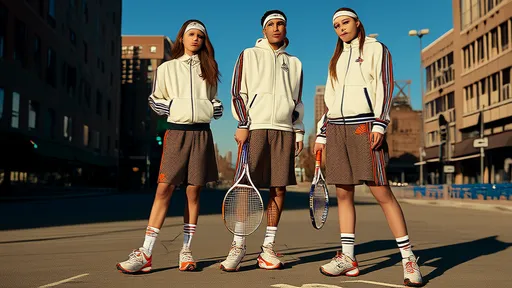
The signature pieces of this trend are instantly recognizable, plucked straight from a 2002 issue of a teen magazine or a music video from that era. It’s a look built on the foundation of the pleated tennis mini-skirt, often in classic white but now seen in vibrant pastels and bold colors, paired with cropped polo shirts or form-fitting tank tops. The quintessential varsity cardigan, emblazoned with a stripe or a crest, is thrown over the shoulders, adding a layer of collegiate nonchalance. Footwear, of course, is non-negotiable: pristine white leather low-top sneakers, preferably with a clean gum sole, or even more daringly, actual tennis trainers. The devil is in the details—sweatbands worn as bracelets, oversized tennis bags slung across the body, and visors shielding eyes not from the sun on court, but from the glare of urban life.
This resurgence is far from arbitrary. It is deeply intertwined with a broader cultural nostalgia for the Y2K era, a period currently being rediscovered and romanticized by a generation too young to have experienced it the first time around. This is the aesthetic of early internet culture, of flip phones, and of pop music that was unapologetically upbeat. The tennis look embodies a specific kind of aspirational, clean-cut cool that contrasted with the grunge of the preceding decade. It represents an optimistic futurism, a feeling that is particularly resonant today as we navigate a complex and often chaotic world. Donning a pleated skirt and a polo is a way to tap into that perceived simplicity and optimism.
Furthermore, the trend has been powerfully catalyzed by its adoption in high fashion. Designers and luxury houses, always keen to mine the archives for inspiration, have sent models down the runway adorned in modern interpretations of tennis whites. These collections have legitimized the aesthetic, moving it beyond a niche subculture and into the mainstream fashion consciousness. When a prestigious fashion label recontextualizes a functional sports item as a luxury must-have, it creates a powerful trickle-down effect. Suddenly, the tennis skirt is not just for sport; it's a high-fashion statement, making it desirable and acceptable for a much wider audience to incorporate into their daily wardrobe.
The influence of celebrity and social media cannot be overstated in the propulsion of this trend. A-list stylists have been dressing their clients in coordinated tennis-inspired outfits for paparazzi shots, red carpet events, and, most importantly, for their own social media posts. Platforms like TikTok and Instagram are flooded with style guides and "get ready with me" videos showcasing how to achieve the "tennis core" look. This digital ecosystem provides constant inspiration and validation, creating a community around the trend and making it accessible to anyone with an internet connection. It’s a trend that is being lived and spread online, in real-time.
At its core, the appeal of the 2000s tennis trend lies in its unique fusion of opposing ideas. It masterfully blends preppy elegance with athletic functionality. The look is inherently put-together and polished, echoing the discipline and tradition of the sport itself, yet it is made from comfortable, breathable fabrics designed for movement. This duality makes it perfectly suited for modern life, which demands versatility. It is an outfit that can transition from a casual daytime coffee meeting to an evening outing without a complete change of clothes. It offers a sense of effortlessness, a look that says "I just happened to look this chic," while often requiring careful curation.
Ultimately, the rise of 2000s tennis style as streetwear is more than a passing fad; it is a meaningful fashion moment. It reflects a collective longing for the recent past, driven by cultural cycles and amplified by digital media and high-fashion endorsement. It satisfies a contemporary desire for clothing that is both stylish and practical, elegant and comfortable. As we see these ensembles navigate city sidewalks instead of court sidelines, it becomes clear that this trend is a powerful statement. It’s about embracing a specific kind of nostalgic optimism and redefining what constitutes a modern uniform, one perfectly executed forehand at a time.

By /Aug 21, 2025
By /Aug 21, 2025
By /Aug 21, 2025
By /Aug 21, 2025
By /Aug 21, 2025
By /Aug 21, 2025

By /Aug 21, 2025
By /Aug 21, 2025
By /Aug 21, 2025

By /Aug 21, 2025

By /Aug 21, 2025

By /Aug 21, 2025

By /Aug 21, 2025

By /Aug 21, 2025
By /Aug 21, 2025

By /Aug 21, 2025
By /Aug 21, 2025
By /Aug 21, 2025
By /Aug 21, 2025

By /Aug 21, 2025