In an unprecedented move that sent shockwaves through the entertainment industry, South Korea's beloved talk show You Quiz on the Block has managed to secure what many are calling the most significant guest in the history of Korean television. The iconic Bill Gates, co-founder of Microsoft and one of the most influential figures in modern technology and philanthropy, made a surprise appearance on the popular tvN program, confirming weeks of speculation with the simple, verified statement: "It really is Bill Gates."
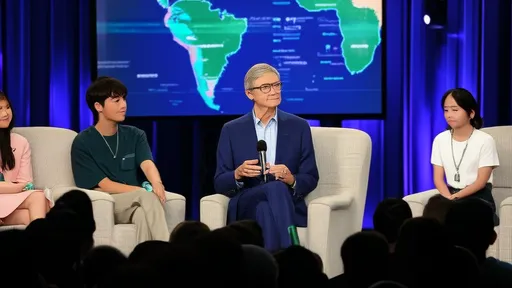
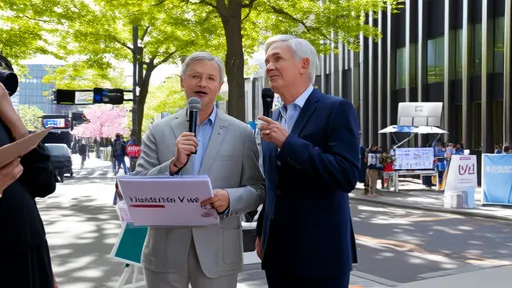
The episode, which aired to record-breaking viewership, featured the show's charismatic hosts, Yoo Jae-suk and Jo Se-ho, engaging in a candid and profound conversation with the tech luminary. Filmed not on their usual streets but in a specially arranged setting to accommodate the high-profile guest, the atmosphere was described as both awe-inspiring and surprisingly intimate. Gates, known for his rigorous schedule and selective appearances, delved into topics far beyond his usual repertoire of technology and global health, sharing personal anecdotes, his views on life, and even a touch of humor.
The announcement of his appearance was initially met with widespread disbelief from the Korean public and netizens worldwide. Promotional teasers released by the network showing a silhouette of a globally recognized figure sparked a frenzy of online speculation. Many dismissed it as an elaborate prank or a clever edit, a common tactic in variety show promotions. However, the confirmation from both the production team and a representative from the Bill & Melinda Gates Foundation turned skepticism into sheer exhilaration, setting social media ablaze with anticipation and making the episode one of the most talked-about television events of the year.
During the interview, Gates spoke with remarkable openness. He discussed the early, struggling days of Microsoft, reflecting on the mindset required to innovate and persevere through failure. He shared personal stories about his friendship with Warren Buffett and the lessons learned from his late mother, Mary Maxwell Gates, about the importance of giving back to society. The conversation naturally flowed into his current work with the Bill & Melinda Gates Foundation, where he elaborated on the ongoing battles against diseases like malaria and polio, and the critical importance of global cooperation in science and public health.
What truly captivated the audience, however, was the unexpected humanizing of the titan. Gates participated in the show's signature quiz segment, answering questions not about complex algorithms, but about life, happiness, and his daily routines. He spoke about his reading habits, his love for bridge, and even his attempts to learn new skills, revealing a relatable and curious side often hidden behind his public persona as a stern business leader. Host Yoo Jae-suk, with his trademark warmth and comedic timing, managed to draw out laughter and light-hearted moments, creating a unique chemistry that viewers found utterly delightful.
The cultural impact of this appearance cannot be overstated. For a Korean variety show, typically focused on domestic celebrities and comedians, to feature a figure of Gates's stature is a monumental achievement. It signifies the global reach and elevated production caliber of the Korean entertainment industry. Furthermore, it provided a rare bridge, connecting the everyday Korean viewer with the lofty, often intangible world of global philanthropy and tech innovation. It made complex issues like vaccine equity and climate change accessible and personally relevant to a mass audience.
In the days following the broadcast, the episode has been dissected and praised across news outlets and online platforms. Clips of Gates discussing his life philosophy have gone viral, and the show's ratings have shattered all previous records. Media analysts are hailing it as a masterstroke in programming, a perfect blend of entertainment and substantive, meaningful content. It has set a new benchmark for what talk shows can aspire to achieve, proving that they can be a platform for not only laughter but also for inspiring global discourse and understanding.
Ultimately, the You Quiz episode with Bill Gates was more than just a television interview; it was a cultural moment. It demonstrated the power of media to humanize our icons, to distill vast ideas into personal stories, and to connect disparate worlds through the simple, universal language of conversation. The phrase "It really is Bill Gates" will undoubtedly be remembered not just as a confirmation of a guest's identity, but as the declaration of a historic event in broadcasting.

By /Aug 22, 2025
By /Aug 22, 2025

By /Aug 22, 2025

By /Aug 22, 2025
By /Aug 22, 2025
By /Aug 22, 2025
By /Aug 22, 2025
By /Aug 22, 2025
By /Aug 22, 2025

By /Aug 22, 2025

By /Aug 22, 2025
By /Aug 22, 2025
By /Aug 22, 2025
By /Aug 22, 2025
By /Aug 22, 2025
By /Aug 22, 2025
By /Aug 22, 2025

By /Aug 22, 2025
By /Aug 22, 2025
By /Aug 22, 2025